Portfolio
BackROSE Port
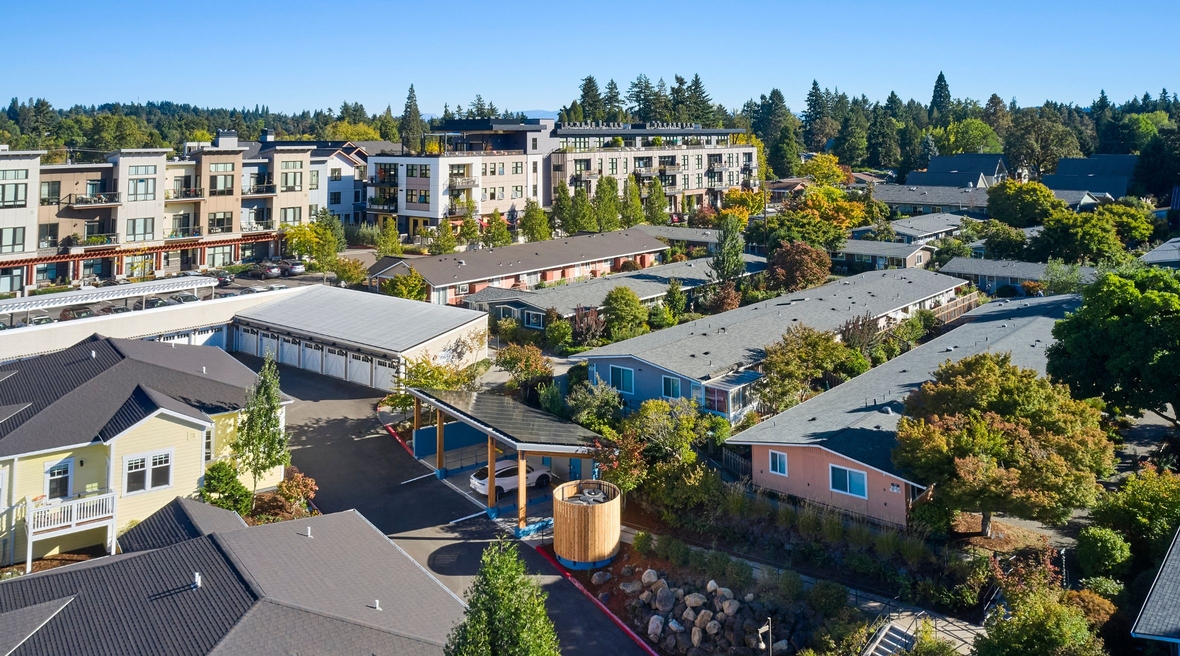
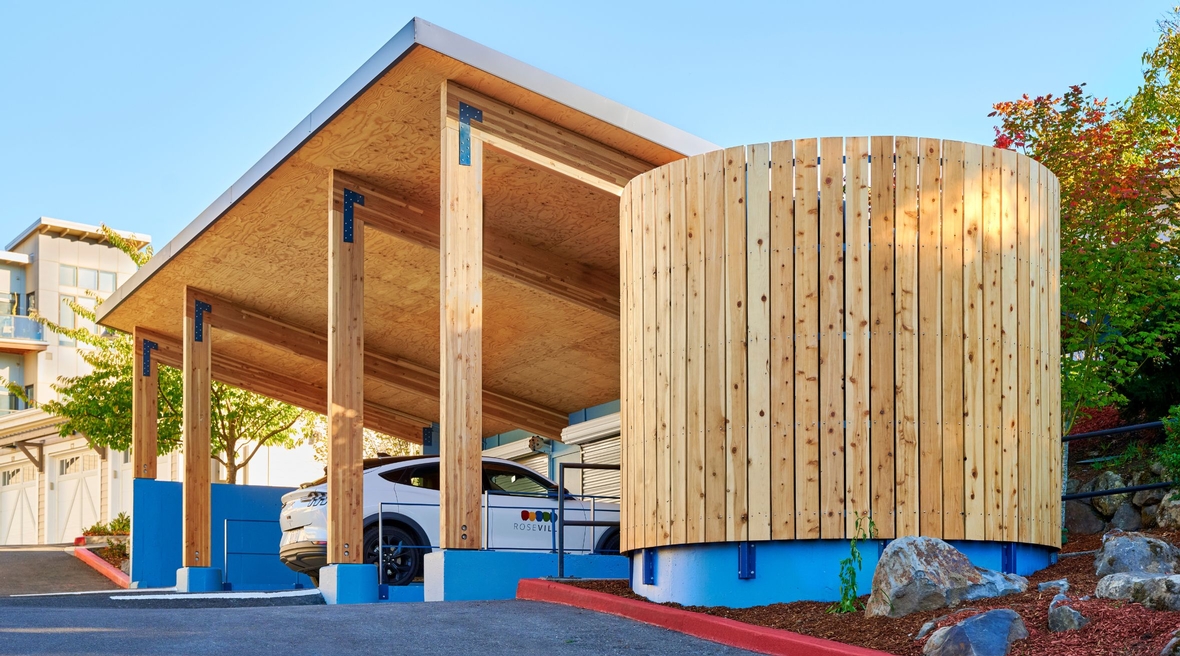
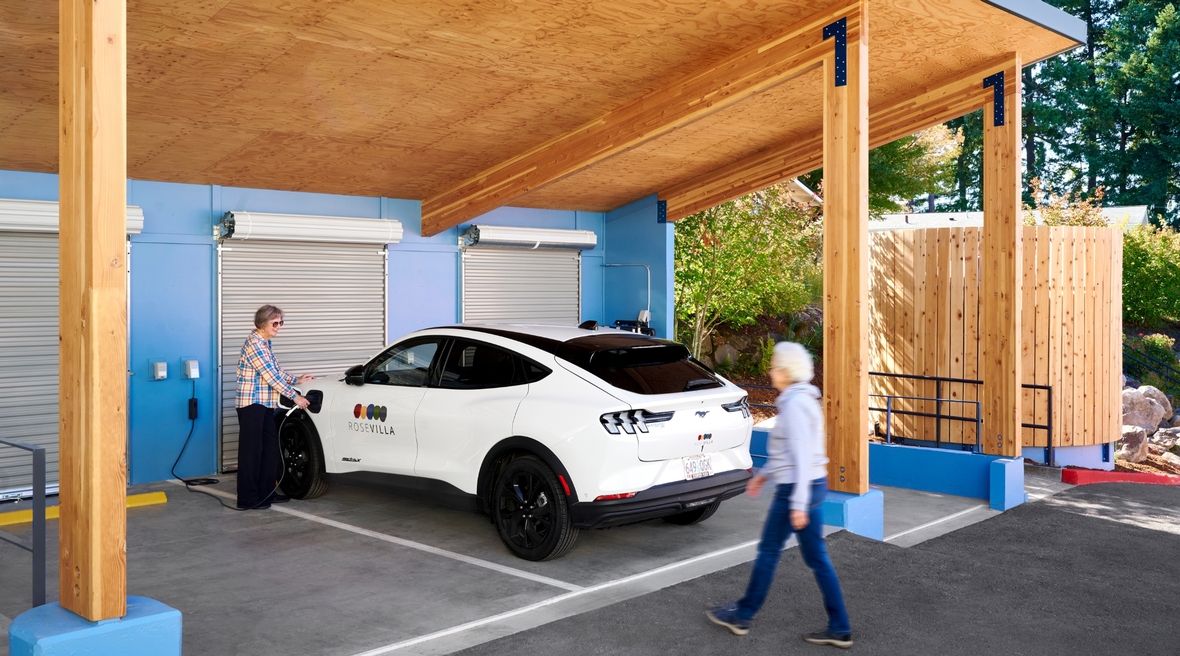
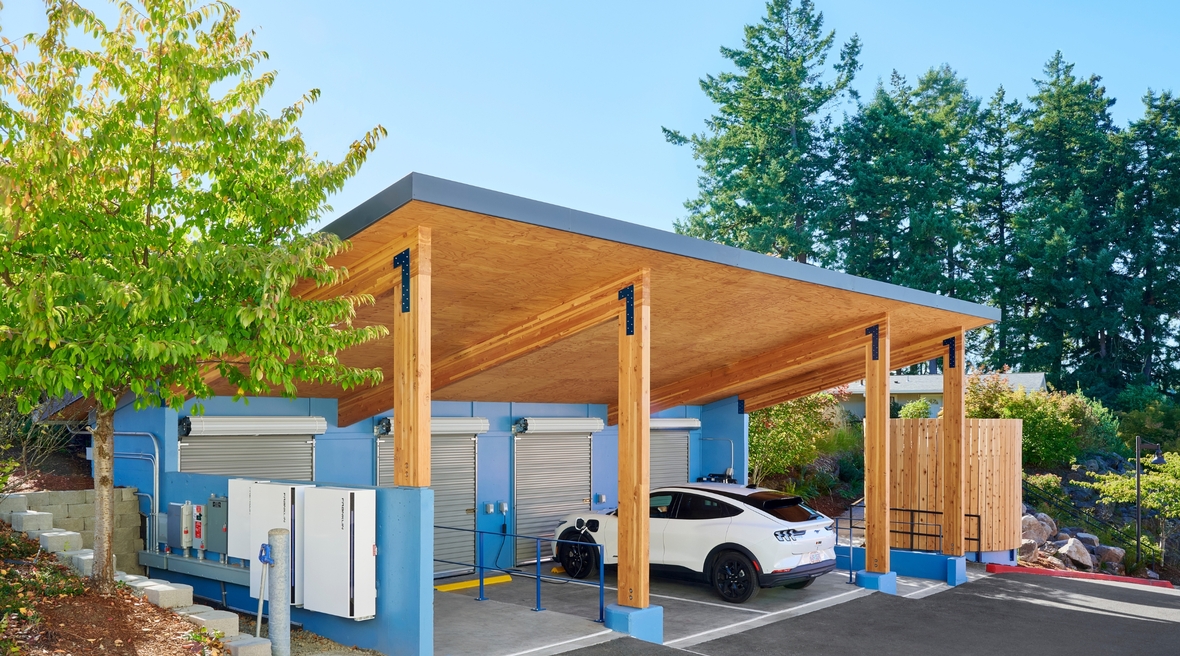
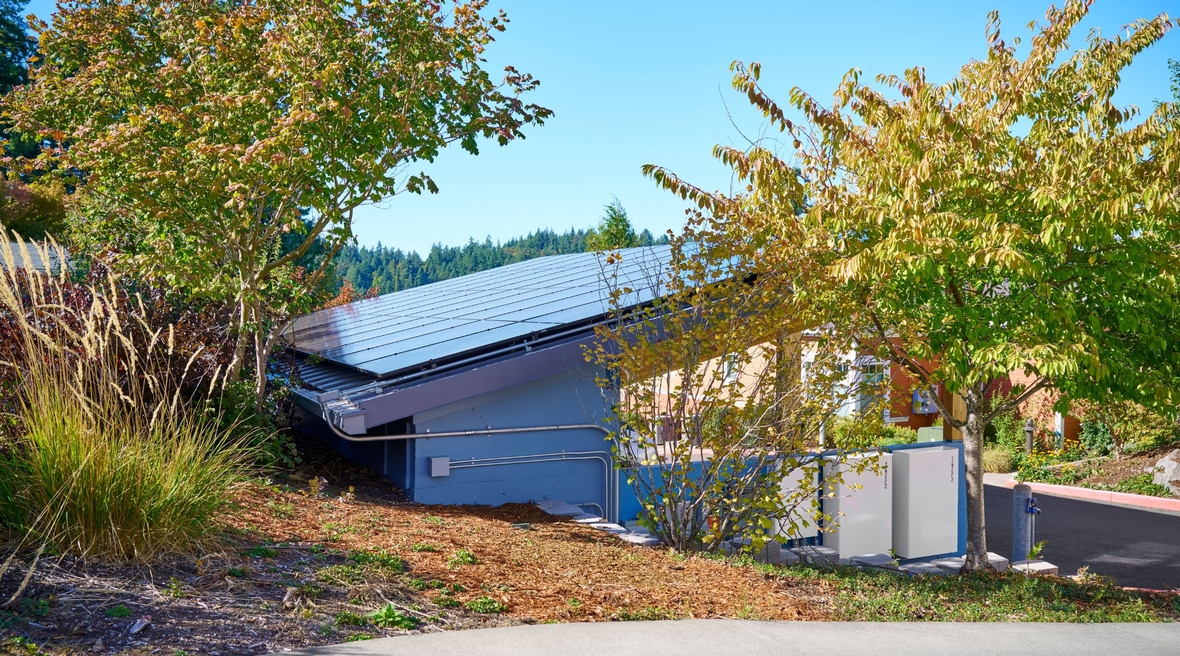
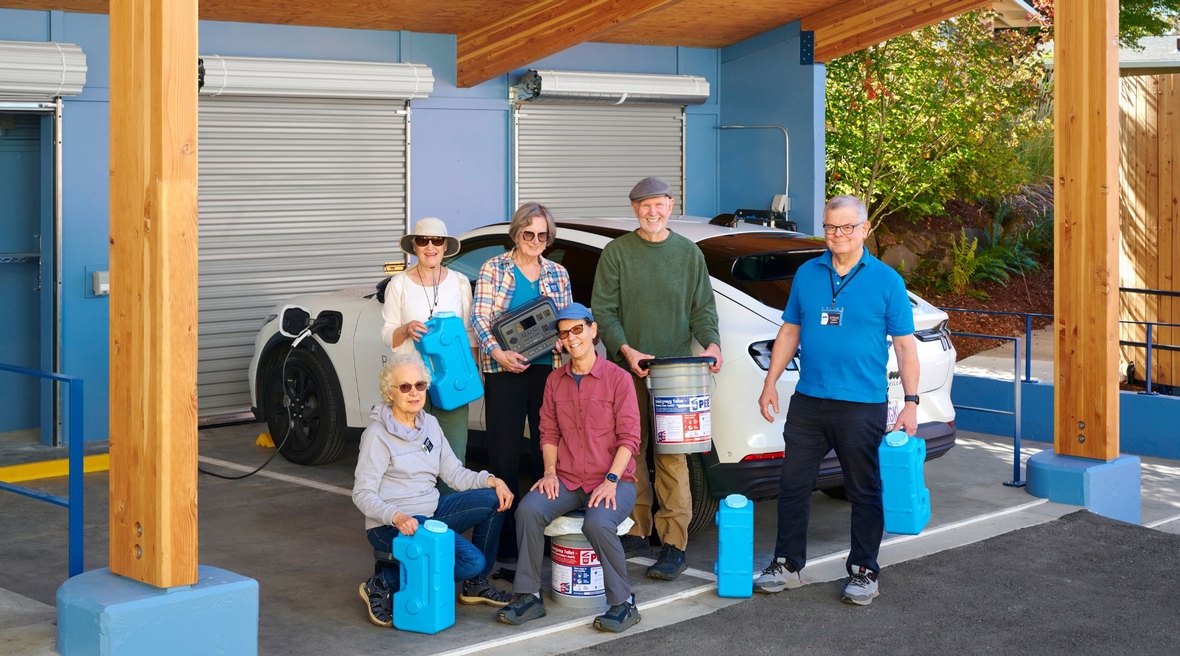
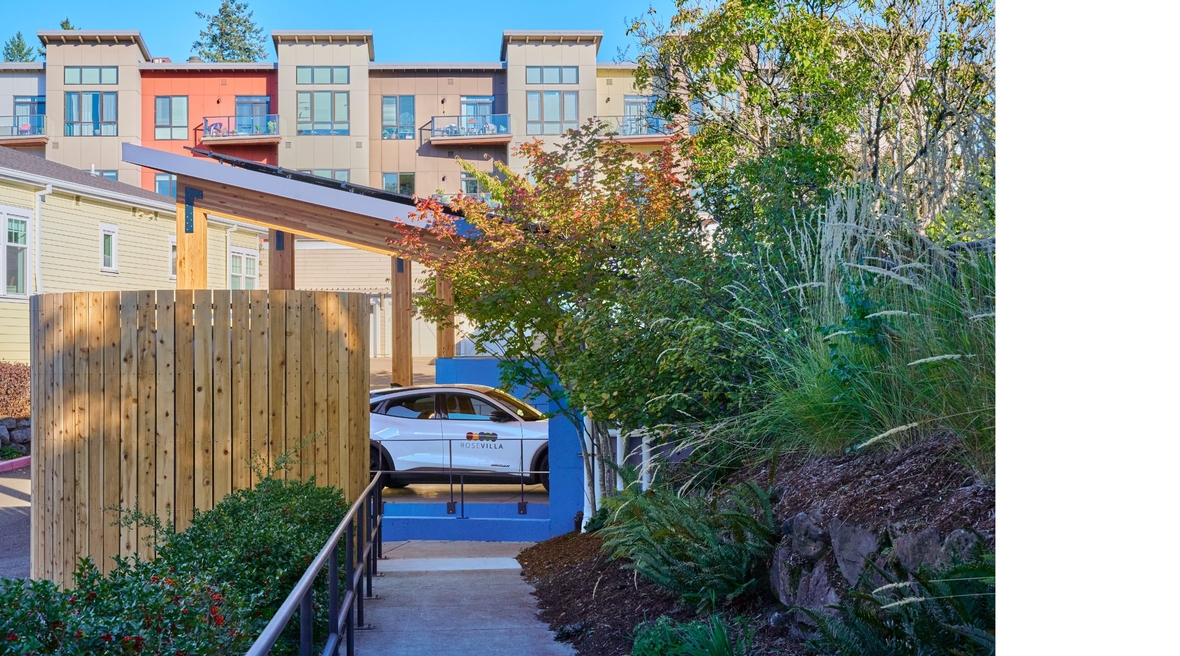
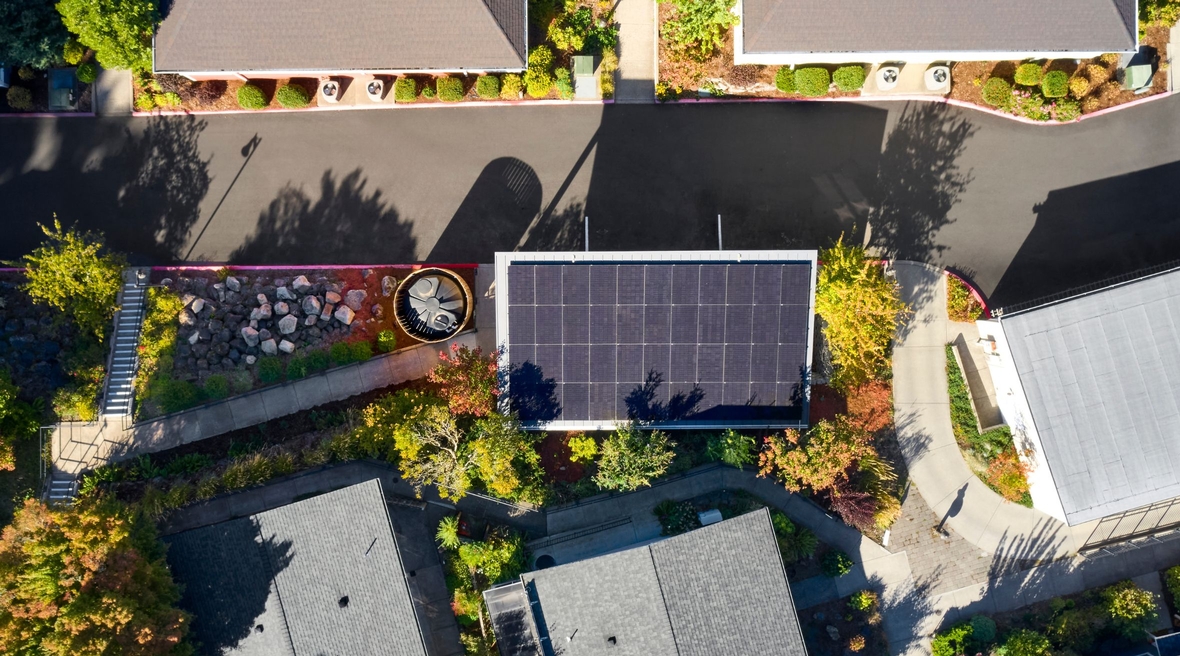
In 2025, Green Hammer designed and built the first of many planned ROSE Ports at RoseVilla Senior Living, representing the first major infrastructure project in the organization’s 25-Year Resiliency Action Plan. ROSE Ports — short for Resilient Operations and Sustainable Energy — are seismically resilient, disaster-ready shelters that can operate fully off-grid during extended power outages caused by extreme weather, wildfires, or earthquakes. They are also as beautiful as they are functional, proving resilient infrastructure doesn't have to look or feel industrial.
ROSE Ports are a scalable model for community resilience. Equipped with rainwater collection and water purification systems, solar power, and battery storage, each ROSE Port can sustain RoseVilla’s resident population and staff for a week when the grid is down.
Earthquake-Ready
Built to Risk Category 4 seismic standards, the ROSE Port is engineered to remain safe and usable immediately after a major earthquake. The water tank is installed separately from the main structure for added safety. There are only a few buildings in Oregon that are actually designed this high resiliency standard, such as hospitals or emergency shelters.
Water Independence
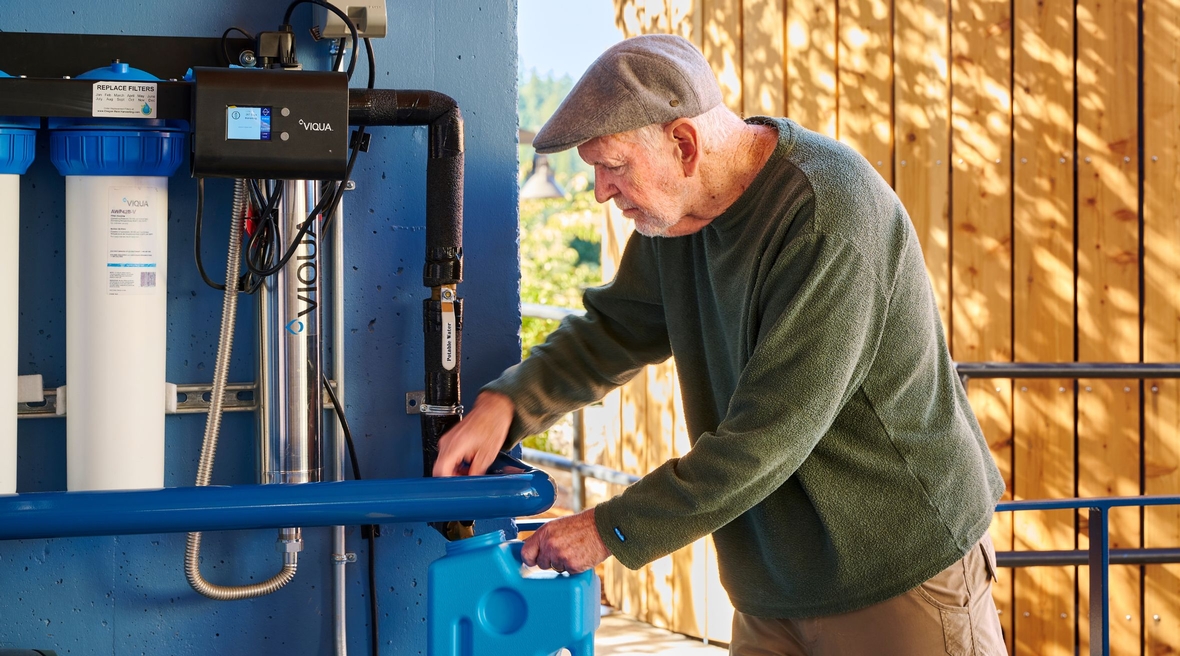
A 3,100-gallon cistern captures rainwater, which is then filtered and UV-purified on site. In an emergency, it can supply RoseVilla's resident population and staff (~450 people) with one gallon of drinking water per day for one week.
Energy Independence
A rooftop 17.82-kilowatt solar array and 30-kilowatt-hour battery system together generate and store clean power. When the power is out, all residents could charge cellphones and staff would be able to charge walkie talkies – vital communication tools for maintaining safe operations during an emergency or power outage. Additionally, RoseVilla would be able to charge critical medical devices such as CPAP (Continuous Positive Airway Pressure) machines.
Sustainable Materials
The roof is built from mass plywood panels (MPPs), layers of thin wood veneer that are typically harvested from small diameter trees and are laminated together to create this incredibly strong structural panel. MPPs are a sustainable alternative to traditional steel or timber. Prefabrication allows for easier, faster installation. The posts and beams are crafted from Forest Stewardship Council-certified glulam for both structural reliability and natural beauty. For the incense-cedar screen concealing the potable water tank, we partnered directly with the Cow Creek Band of the Umpqua Tribe. The concrete foundation was salvaged and repurposed from the building's original on-site structure, minimizing new material use.
Thanks to our partners, including Elemental Energy, Oregon Rain Harvesting, Freres Engineered Wood, and Sustainable Northwest Wood.